Jan Meefout: Worshiper of the Female Form
Jan Meefout was a idiosyncratic sculptor who liked to use his hands to create the female form. This blog provides a glimpse into the work and life of the Amsterdam sculptor. — One of his bronze sculptures is in the gallery at Kunstconsult. The quotes quoted come from the book Jan Meefout, from the Monographs series of the Sculpture Institute.
Only essence
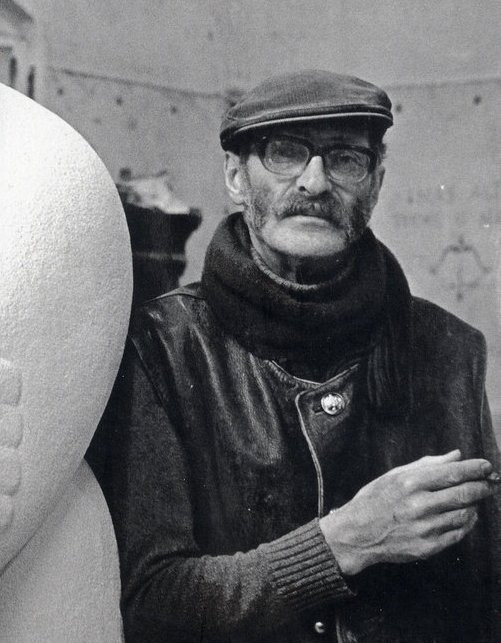
Jan Meefout (1915–1993) was an Amsterdam-based sculptor with one central theme: 'The Woman'. His sculptures are soft, rounded, and sensual, yet they carry something untouchable within them — a primal force. His female figures sometimes look at you mockingly: you may see me, but you will never reach my level. Meefout brought the essential form of a sculpture to life, always guided by the material, his intuition, and the lines of the shape. His works are largely timeless — or, as he himself called them, “out of time”. At times, they even feel almost otherworldly.
Meefout was trained as a cabinetmaker, and from that background he learned to respect his materials. No machine was involved in his process; everything was done by hand. That craftsmanship remained visible throughout his life. His sculptures are organic in nature: often, the origin of the wood or stone is no longer clearly recognizable in the final form. Rounded volumes, closed masses, and a skin that invites touch characterize his work.
His Own Path
As gentle as his sculptures were, so raw and rebellious was the man himself. As a boy, school barely held his attention, and even making radio cabinets at the vocational furniture school interested him little. He preferred to follow his own path. In a sense, Meefout was self-taught. He observed the craft of woodcarving in an ornamental carving workshop — paying to learn it seemed pointless to him; he would rather spend that money on clothing and tobacco. Secretly, he took pieces of wood from the furniture school and began carving decorative objects on his own: small animals, letter openers, and figurines.
These early works eventually led him to the School of Applied Arts, where he attended evening classes. Financially this was difficult, and technically it meant less to him than he had hoped, but artistically a whole new world opened up. Coming from the working class, he suddenly found himself among the cultural elite. For the first time, he learned about art history, general history, and anatomy.
From Evening Classes to the Academy
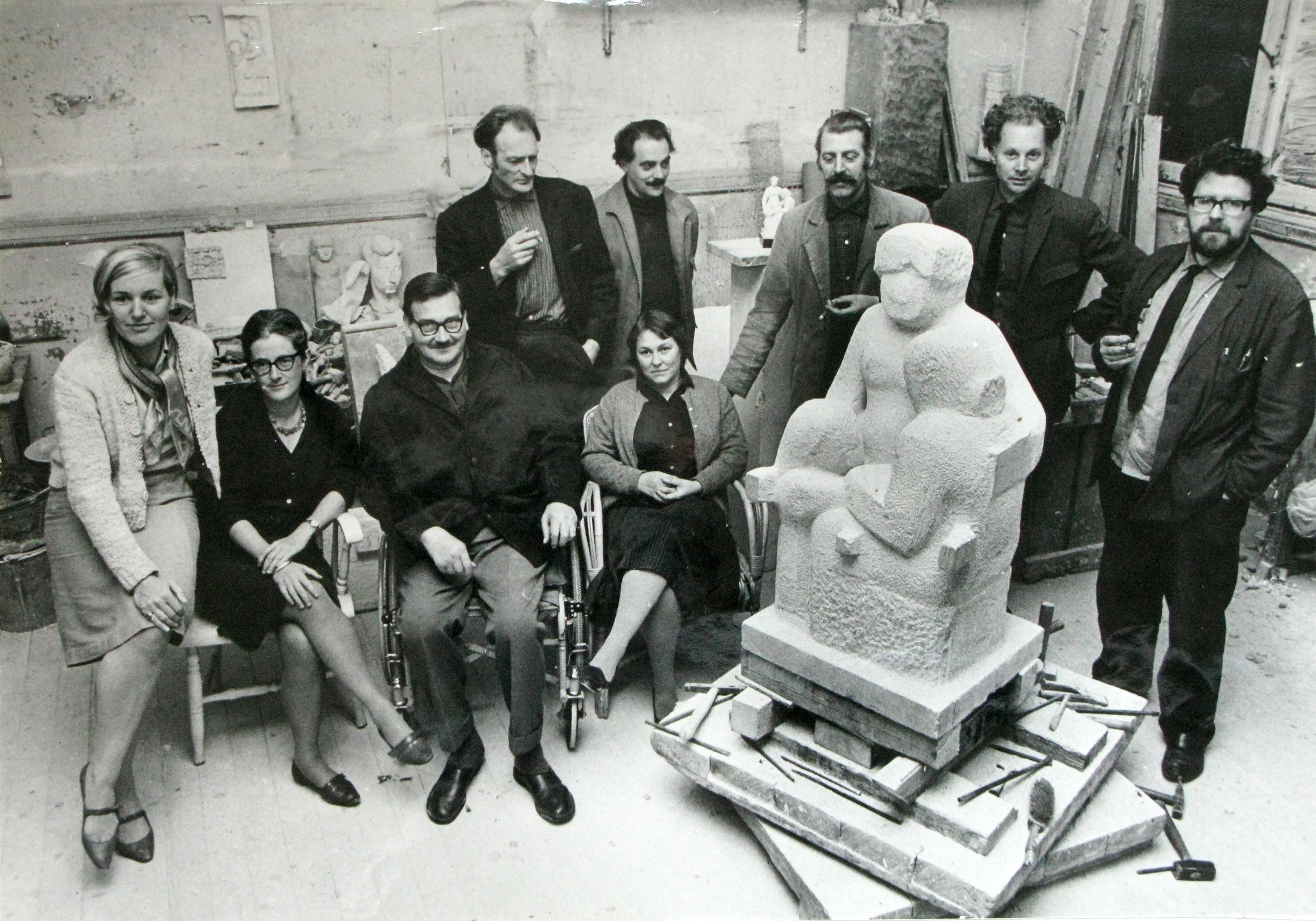
Image 1: In Jan Meefout’s studio, Old photographs of several predecessors on Wittenburg, consulted January 29, 2026
At the evening school, Meefout was appreciated by his teacher Frits van Hall (Semarang 1899 – 1945 Gleiwitz), who took him on as an assistant and gave him access to the day school. As an assistant, Jan helped with carving and casting sculptures. Van Hall was a great example to Meefout, not only in sculpture but also as a human being. His influence can clearly be seen in Meefout’s work, which is gentle, expressive, and at times sensual. Another teacher, Jan Havermans (Rotterdam 1892 – 1964 Amsterdam), required his students to draw from life, constructing an entire figure flawlessly in a single stroke. From him, Meefout learned the precise yet lively composition of the human form in one line. This approach became central to his work; realism did not concern him, as long as the feeling and form of the body were expressed.
Seated: Fioen Blaisse, Theresia van der Pant, (Henk Dannenburg), Julia Verschuer. Standing: Jan Meefout, (Herman Janzen), Joop Willems, Jaap Kruijff, Arie Teeuwisse.
The Rijksacademie
At the Rijksacademie, where Meefout was admitted after initially being rejected, he studied under Professor Jan Bronner (Zijpe 1881 – 1972 Laren). He attended classes alongside Cor Hund, Carel Kneulman, Henk Zweerus, and Arie Teeuwisse. This was during the Second World War. The Rijksacademie functioned as a kind of refuge, where classmates could work during the day when it was dangerous outside. Meefout and Teeuwisse, who had already known each other from the School of Applied Arts, visited each other often and even hid together in Artis during raids. During this period, Meefout also met the sculptor Irmgard Stahl, who had fled Berlin and with whom he later formed a lasting relationship after the war.
Shortly after the war, Meefout moved into a studio in an old school building on the Third Wittenburgerdwarsstraat. There he worked on his sculptures. At that time, only part of the building was available to artists; the rest still functioned as a school. Surrounded by artist friends, Meefout was able to devote himself fully to sculpture. Fellow sculptors Arie Teeuwisse, Herman Janzen, and Cor Hund also had studios there. Later, Fioen Blaisse and Theresia van der Pant joined them — all depicted in the photograph of Jan Meefout’s studio. A sculpture by Theresia van der Pant is also exhibited at Kunstconsult.
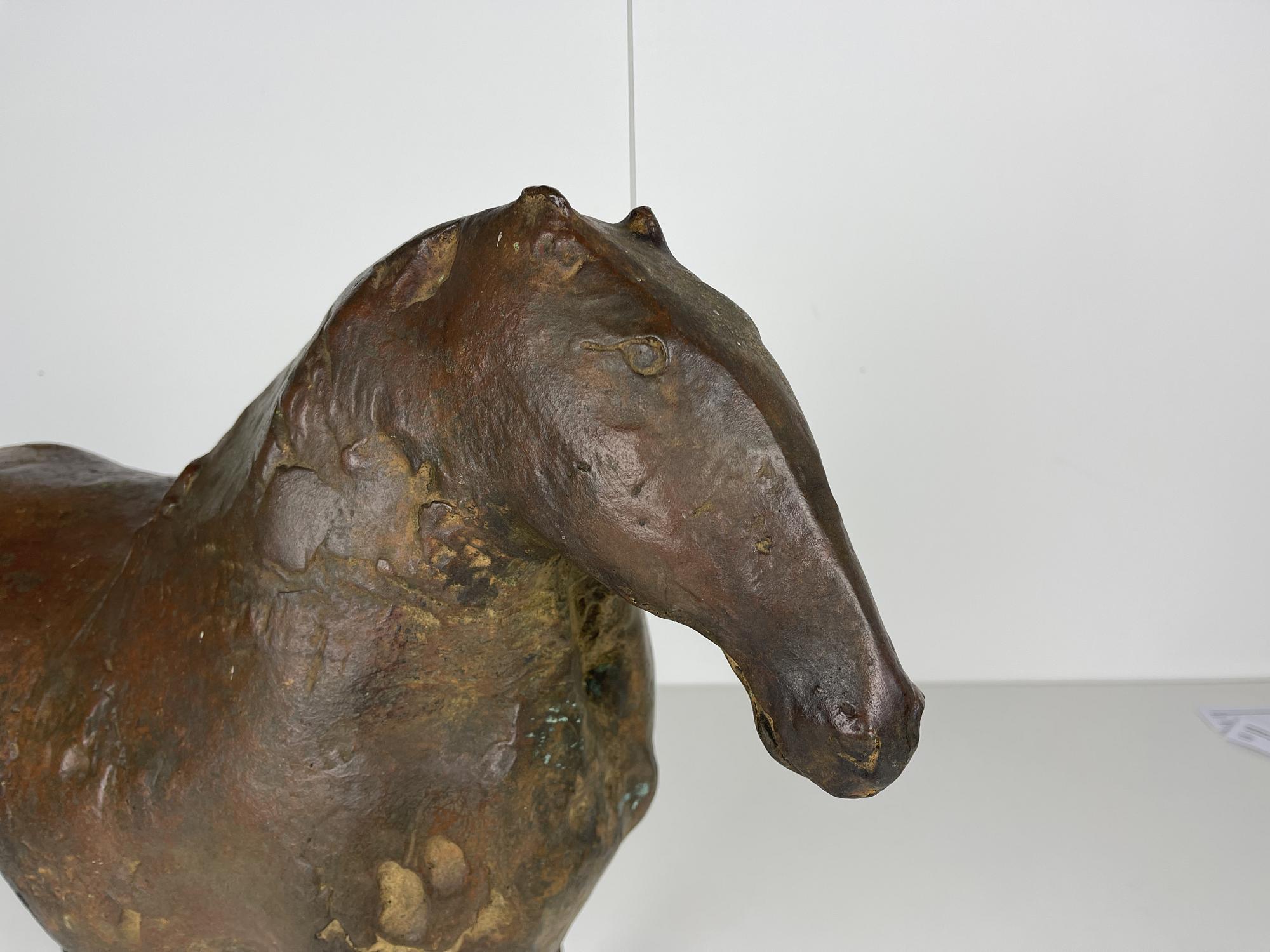
Image 2: Theresia van der Pant (Schiedam 1924 – 2013 Amsterdam), Edition 6 of 8, titled 'Horse', large bronze workhorse standing on four legs. Designed in 1964, acquired directly from the artist in Amsterdam in 2000. One of her executed works is installed at Koningsstraat 14 in Haarlem.
After the war, working in natural stone became popular again. The hard material offered Meefout the opportunity to create outdoor sculptures: it could be obtained in large blocks and is naturally weather-resistant. His first stone sculpture was purchased by his teacher Bronner: a small figure of two sawing men. By then, Bronner was generous with compliments and encouraged Meefout to follow his own path in sculpture. Many commissions awaited him, especially in the Nieuw-West district of Amsterdam in the 1950s, where he created bridge sculptures, reliefs, and decorative relief bands. Fellow communist and city sculptor Hildo Krop provided Meefout with considerable work; in particular, the bridge sculptures Couple and The Family at the Burgemeester Cramergracht (1958) were directly the result of this valuable connection.
Family
Much of his work was inspired by his “Irmpje,” the woman, the mother, the primal force. Together they had three children: Jeroen, Renée, and Francien. Meefout did not work from reality, yet events in his life strongly influenced his art. The birth of his children can be seen in the progression of his work: first sculptures of couples, then families with one child, and later families with multiple children. Still, the woman remained central, embodying the role of the (primal) mother.
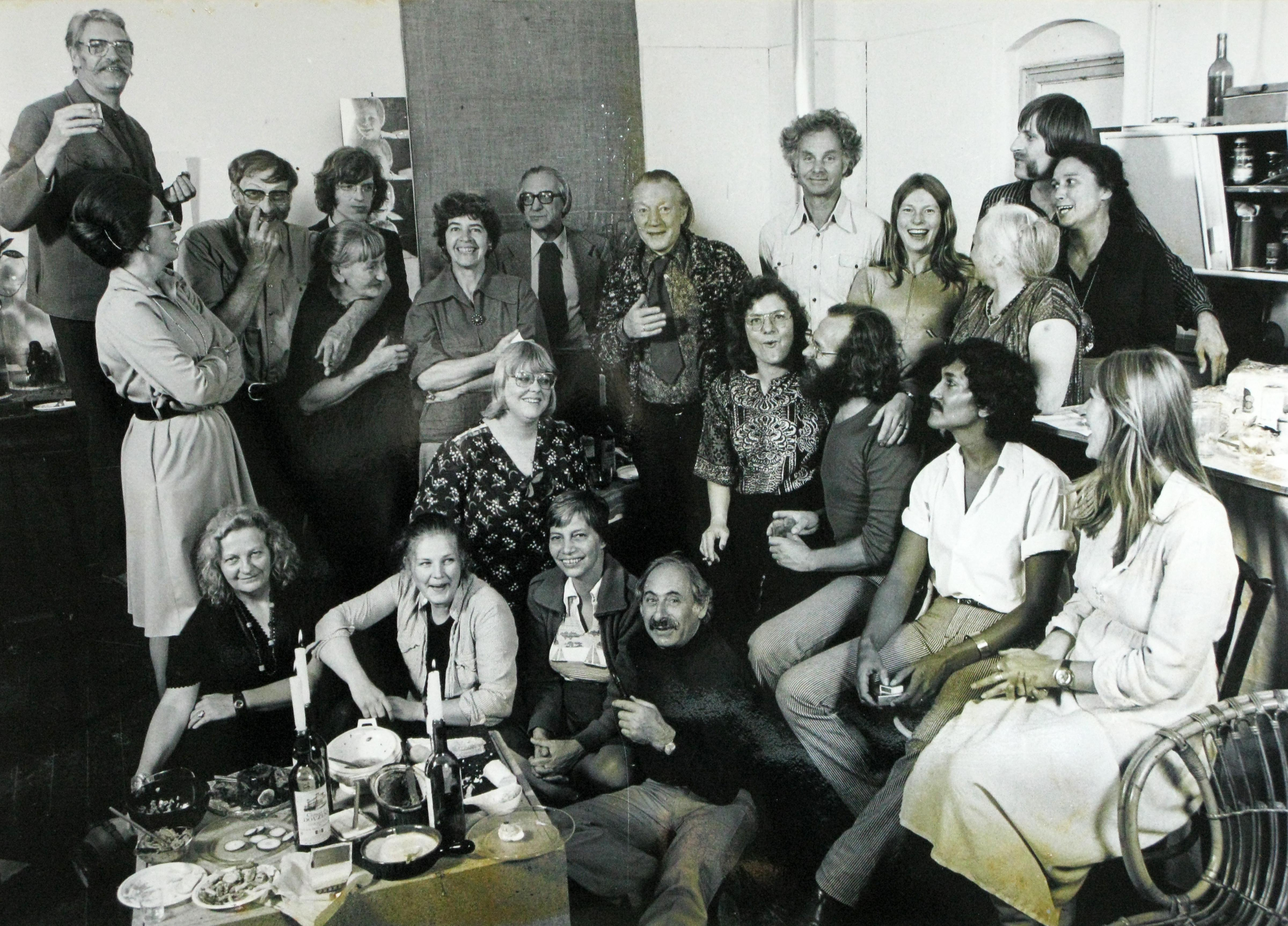
Image 3: In the studio of Irmgard Meefout-Stahl, Old photographs of several predecessors on Wittenburg, consulted January 29, 2026
The Meefout family spent much time in the studio, where Irmgard later also established her own workspace in the old school building on Wittenburg. The photograph above clearly shows how closely connected this group of artist friends was — young and old together — and how the circle gradually expanded. Daughter Renée Meefout also became a sculptor. The bronze sculpture shown below, soon to be offered for sale at Kunstconsult, reveals clear similarities in the finishing of the bronze — something she likely learned from her father.
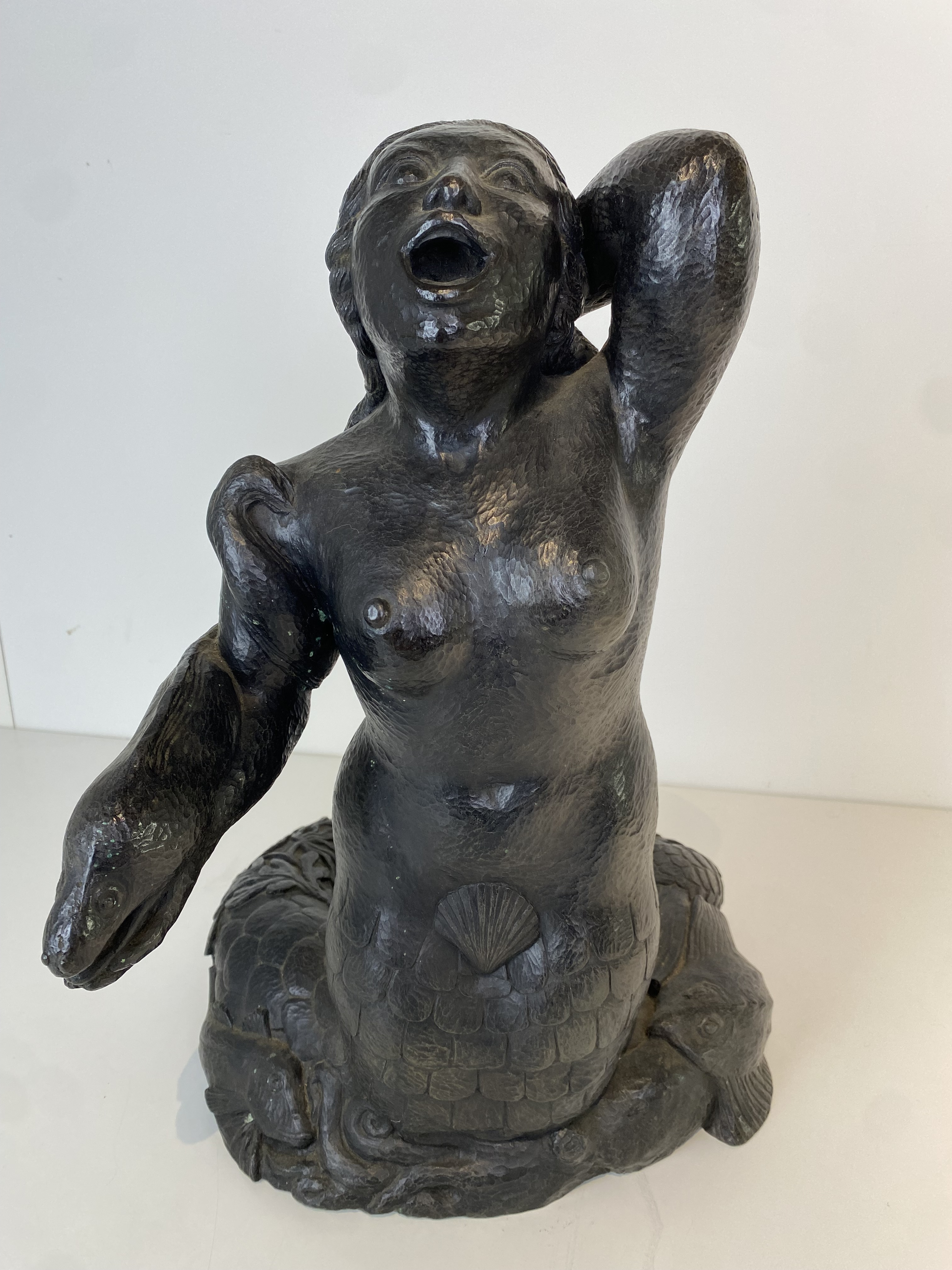
Image 4: Renée Meefout (1948), bronze sculpture titled 'Mermaid', purchased directly from the artist in 1999 by the Van Schaik family. The sculpture is exhibited at Kunstconsult.
Artist and Human Being
Jan Meefout was a man of principles. He did not see himself as the isolated, suffering artist, but as a craftsman. One could commission a sculpture from him just as one would order a cabinet from a carpenter. A commission was an honor: a sign that society called upon his talent. In his view, art should not stand apart from the world, but contribute to it. And just as art contributes to the world, the world contributes to art. As a sculptor, you use the materials that the world places at your disposal.
Just as form carries the sculpture, material always remained central.
“You must respect the material. A stone is a compact, closed mass. I only make a hole in it if it truly adds something.”
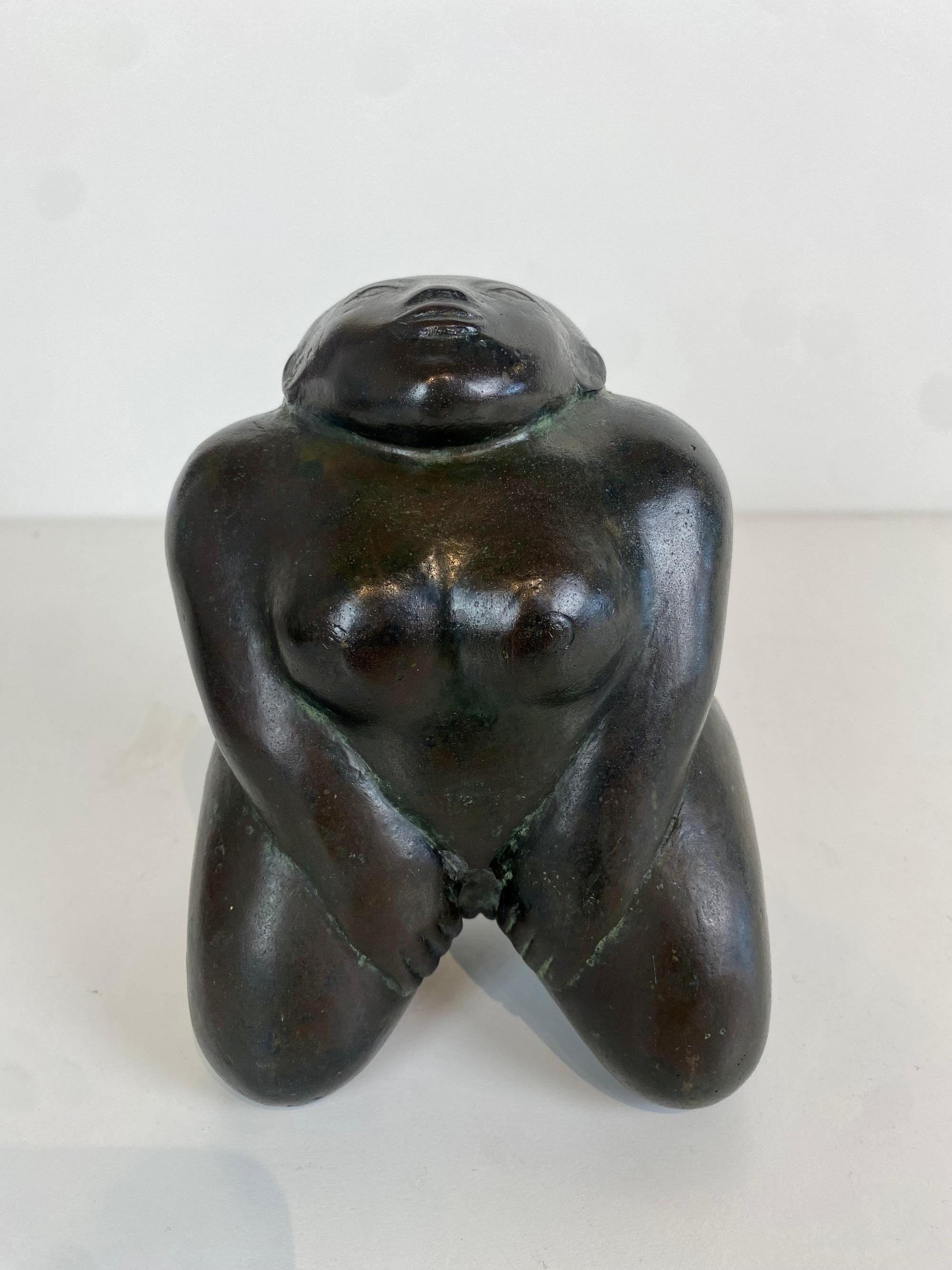
Image 5: Jan Meefout (1915–1993), bronze sculpture titled “Mother Earth”.
Women and Forms
Meefout never worked from a live model. His female figures seem to arise more from dream images or archetypes than from observation of existing women. It was a process of liberation, as he himself described:
“I play with body forms. It no longer has anything to do with anatomy. The skeleton has completely disappeared. It is a play of lines, a movement you carry through.”
Even when he became housebound due to silicosis, he continued working. During that period, he created small, tender female figures that nestle comfortably in the hand — intimate and vulnerable, yet still powerful in form.
His working process was slow and loving:
“I have a beautiful piece of material, and I look at it lovingly. Sometimes for thirty years. And then suddenly I feel the urge to make something from it.”
Such a bronze sculpture, titled “Mother Earth,” is now part of the Kunstconsult collection — cherished by him and born from love and the need to create.
From Meefout’s unpublished memoirs (Amsterdam, 1980):
What Is a Sculptor?
Life is bewildering,
but sometimes very beautiful.
Look around you and see:
what your eye perceives,
you can love with your hands.
What you love with your heart,
you can create with your hands.
Eye, heart, and hands —
that is a sculptor.
Text by: Ariane Waitz